
Why Proper Home Ventilation Matters in Lubbock
Home exhaust pipe in lubbock, tx systems are essential for removing moisture, odors, and harmful gases from your kitchen, bathrooms, laundry room, and heating appliances. Whether you need a dryer vent cleaned, a bathroom fan repaired, or a water heater flue pipe inspected, proper exhaust ventilation protects your home from mold, fire hazards, and carbon monoxide buildup.
Quick Guide to Home Exhaust Pipes in Lubbock:
- Kitchen Range Hoods – Remove cooking fumes and grease (100 CFM intermittent or 25 CFM continuous required)
- Bathroom Exhaust Fans – Prevent mold by venting moisture outdoors (50 CFM intermittent or 20 CFM continuous required)
- Dryer Vents – Must use metal ducting, terminate outside with backdraft damper, no screens allowed
- Water Heater & Furnace Flues – Safely exhaust combustion gases to prevent carbon monoxide poisoning
- Code Requirements – All exhaust must vent outdoors, not into attics or crawlspaces, at least 3 feet from windows and doors
Your home’s exhaust systems work quietly behind the scenes, but when they fail or get blocked, the results can range from annoying humidity and lingering smells to serious safety risks. Lubbock’s climate brings dust, wind, and temperature swings that can impact how well these systems perform. West Texas hard water also shortens the lifespan of water heaters to just 8-10 years, making proper venting even more critical.
For professional help with any aspect of your home’s ventilation, visit our heating and air conditioning services page, or contact us today for an inspection or repair.
I’m Ronda Rushing Brown, and in over 50 years of serving Lubbock families through our third-generation business, I’ve seen how critical proper home exhaust pipe in lubbock, tx maintenance is for protecting homes and keeping families safe. Whether it’s diagnosing a blocked dryer vent or ensuring a new water heater is vented correctly, we’re here to help with honest, transparent service.
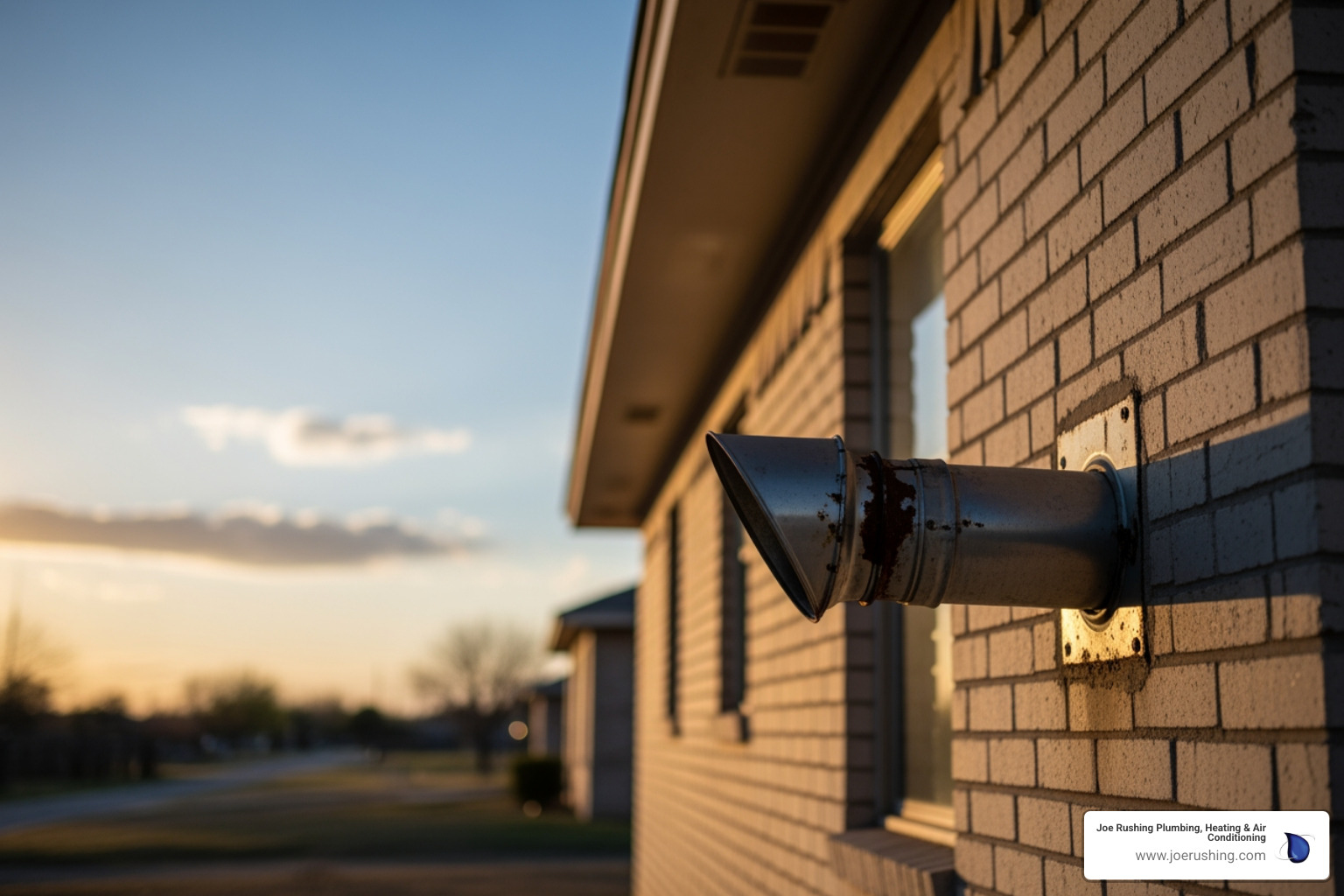
Terms related to home exhaust pipe in lubbock, tx:
Understanding the Different Types of Home Exhaust Systems
When we talk about home exhaust pipe in lubbock, tx, we’re referring to a variety of systems designed to remove unwanted air, moisture, and gases from your living spaces. These systems are crucial for maintaining indoor air quality, preventing structural damage, and ensuring the safety of your family. In Lubbock homes, the most common types of exhaust systems we encounter include kitchen range hoods, bathroom exhaust fans, clothes dryer vents, and the flue pipes for HVAC systems and water heaters. Each plays a distinct role in keeping your home healthy and comfortable.
For instance, managing moisture is a big deal here in West Texas. Excessive humidity can lead to mold growth, which is not only unsightly but can also trigger allergies and respiratory issues. Exhaust systems tackle this head-on. Beyond moisture, they also whisk away unpleasant odors, airborne grease from cooking, and even dangerous combustion byproducts like carbon monoxide.
A critical consideration for many Lubbock homeowners revolves around water heaters. We know that the hard water prevalent in West Texas can significantly impact the lifespan of these appliances, often reducing their average equipment life to just 8-10 years. This shorter lifespan means that the associated flue pipes, responsible for safely venting combustion gases, need regular inspection and sometimes earlier replacement to ensure continuous safety.
Kitchen and Bathroom Ventilation
Kitchens are hubs of activity, and cooking often generates a lot of heat, steam, odors, and airborne grease. That’s where kitchen range hoods come in. These unsung heroes pull all those cooking fumes and particles directly out of your home, preventing them from settling on surfaces or spreading throughout the house. The ducts for these systems, sometimes referred to as grease ducts, need to be properly installed and maintained to remain effective. According to the Texas IRC 2021 building codes, kitchen exhaust systems require a minimum rate of 100 cubic feet per minute (cfm) for intermittent operation or 25 cfm for continuous ventilation.
Bathrooms, on the other hand, are moisture factories. Showers and baths generate significant amounts of humidity that, if not properly exhausted, can lead to condensation, peeling paint, and eventually mold and mildew growth. Bathroom exhaust fans are specifically designed to tackle this moisture, venting it directly outdoors. This is vital for preventing mold and maintaining the integrity of your home’s structure. The IRC 2021 specifies that bathroom and toilet room exhaust fans should operate at a minimum of 50 cfm intermittently or 20 cfm continuously. Proper sizing of these fans (based on the cubic footage of your bathroom) ensures effective moisture removal. For any issues with your home’s plumbing, including those related to bathroom and kitchen ventilation, we’re here to help; explore our Plumbing services.
Dryer, Furnace, and Water Heater Exhaust
Your clothes dryer is another appliance that produces a lot of heat and moisture, along with lint. The dryer vent system is critical for safely expelling these byproducts. Lint, if allowed to accumulate in the exhaust pipe, is a serious fire hazard. Therefore, proper installation with smooth, rigid metal ducts is paramount.
Furnaces and water heaters, especially those that burn natural gas or propane, produce combustion gases that must be safely vented out of your home. These gases, including carbon monoxide, are odorless and colorless but extremely dangerous. The flue pipes for these appliances are designed to withstand high temperatures and ensure these harmful gases are directed away from your living spaces. As we mentioned, West Texas’s hard water can reduce the lifespan of water heaters, making regular checks of their flue pipes even more important. High-efficiency appliances often have specific venting requirements, sometimes utilizing different materials or configurations, to optimize their performance and safety. Ensuring these systems are correctly installed and maintained is a cornerstone of home safety in Lubbock.
Lubbock Building Codes and Safety Regulations for Exhaust Pipes
Understanding and adhering to local building codes is not just about compliance; it’s fundamentally about safety. For any home exhaust pipe in lubbock, tx, system, these codes provide the minimum standards necessary to protect your home and family from hazards like fire, carbon monoxide poisoning, and moisture damage. We always emphasize the importance of professional installation because it ensures that your exhaust systems meet or exceed these critical safety standards.
In Texas, residential construction, including exhaust systems, typically falls under the Texas Residential Code (IRC). Specifically, Chapter 15 of the Texas IRC 2021 outlines comprehensive requirements for exhaust systems related to clothes dryers, domestic cooking, toilet rooms, bathrooms, and whole-house ventilation. This chapter details everything from duct materials and dimensions to termination points and airflow rates. For a deeper dive into these regulations, you can refer to the official code document: Chapter 15 Exhaust Systems: Exhaust Systems, Texas IHB Residential Code 2021 | UpCodes. Adhering to these codes is non-negotiable for ensuring the long-term safety and functionality of your home’s ventilation.
Key Requirements for Your Home Exhaust Pipe in Lubbock, TX
Navigating building codes can feel complex, but for homeowners in Lubbock, there are several key requirements for home exhaust pipe in lubbock, tx systems that are particularly important to understand:
- Venting to the Outdoors: This is perhaps the most fundamental rule. All mechanical exhaust systems must discharge directly to the outdoors. This means no venting into attics, soffits, ridge vents, or crawl spaces. Exhausting moist, stale, or contaminated air into these enclosed spaces can lead to severe moisture problems, mold growth, and structural damage. The only exception mentioned in the code is for whole-house ventilation-type attic fans discharging into private attics.
- Backdraft Dampers: To prevent outside air, insects, or small animals from entering your home through the exhaust duct, backdraft dampers are required at the termination point of most exhaust systems. These allow air to exit but close when the fan is off.
- The “3-Foot Rule” from Windows and Doors: Exhaust outlets, especially for clothes dryers, must terminate at least 3 feet in any direction from openings into the building, such as windows or doors. This prevents the expelled air (which can contain moisture, lint, or odors) from immediately re-entering your home. For dryer vents, screens are also strictly prohibited at the termination point, as they can trap lint and create a fire hazard.
- Makeup Air for Powerful Kitchen Hoods: If your kitchen exhaust system has a capacity exceeding 400 cubic feet per minute (cfm), building codes often require the provision of makeup air. This means that as a large volume of air is exhausted, an equal volume of fresh air must be introduced into the home to prevent depressurization, which can cause issues like backdrafting of combustion appliances. This makeup air can be provided either mechanically or passively.
Optimal Placement for Safety and Performance
The location and routing of your home exhaust pipe in lubbock, tx systems are just as important as the components themselves. Optimal placement ensures both maximum performance and safety:
- Shortest, Straightest Path: For ducts like those for clothes dryers, kitchen hoods, and bathroom fans, the shortest and straightest path to the outdoors is always best. This minimizes resistance to airflow, allowing the fan to operate more efficiently and effectively.
- Minimizing Bends: Every bend, or elbow, in an exhaust duct adds to its “equivalent length,” reducing the fan’s effectiveness. For example, a 4-inch radius mitered 90-degree elbow can add 5 feet to the equivalent length of a dryer exhaust duct. The Texas IRC 2021 limits the maximum allowable dryer exhaust duct length to 35 feet from the connection to the transition duct, with significant reductions for each fitting. Minimizing bends helps ensure the system can adequately move air.
- Locating Vents Away from Air Intakes: Exhaust openings must be carefully positioned. According to code, they should terminate not less than 3 feet from property lines, 3 feet from gravity air intake openings, operable windows, and doors, and not less than 10 feet from mechanical air intake openings (unless the exhaust is 3 feet above the intake). This prevents exhausted air from being drawn back into your home or a neighbor’s property.
- Proper Termination on Building Exterior: The exterior termination point must be equipped with a proper vent cap that includes a backdraft damper. These caps should be durable, weather-resistant, and allow for unimpeded airflow. For dryer vents, as noted, screens are prohibited to prevent lint buildup.
Common Materials and Issues with Your Home Exhaust Pipe in Lubbock, TX
When it comes to home exhaust pipe in lubbock, tx systems, the materials used are chosen for durability, fire resistance, and smooth airflow. We typically see rigid metal, flexible metal, and sometimes PVC/CPVC for specific applications. Understanding these materials and their common issues can help homeowners make informed decisions. Many of the necessary supplies for DIY maintenance or minor repairs can be found at local home improvement stores like The Home Depot or Lowe’s in Lubbock, or specialized suppliers like O’Tool, which has been providing pipe, valves, and fittings in West Texas since 1976.
| Ducting Material | Durability | Best Use Cases | Maintenance & Considerations |
|---|---|---|---|
| Rigid Metal (Galvanized Steel, Aluminum) | Excellent. Highly resistant to crushing and corrosion. | Dryer vents, kitchen range hoods, furnace/water heater flues. | Smooth interior prevents lint buildup. Requires professional tools for cutting/fitting. |
| Flexible Metal (Aluminum Foil or Semi-Rigid) | Good, but susceptible to crushing or kinking. | Short transition ducts for dryers, tight spaces where rigid ducting is difficult. | Ribbed interior can trap lint. Should be kept as short and straight as possible. Not for concealed spaces. |
| PVC/CPVC | Excellent, corrosion-resistant. | Specific high-efficiency furnace/water heater venting, certain downdraft cooking systems (under slab). | Not for high-temperature applications like standard dryer vents. Requires specific installation techniques. |
Troubleshooting Common Exhaust Pipe Problems
Even with the right materials and professional installation, home exhaust pipe in lubbock, tx systems can develop issues over time. Recognizing these problems early can prevent more significant damage or safety hazards.
- Blockages from Lint or Debris: This is a very common issue, especially with dryer vents. Lint buildup can severely restrict airflow, leading to longer drying times, increased energy consumption, and a significant fire risk. For other exhaust systems, debris like bird nests or excessive dust can cause similar blockages. While we don’t use the same tools as for plumbing, the principle of diagnosing blockages is similar to how we use underground camera inspections for efficient, non-invasive solutions for other pipe issues. For any plumbing repair needs, including those related to pipes, check out our Plumbing Repairs page.
- Leaking Joints: Over time, the seals at duct joints can degrade or become loose, allowing moisture, odors, or even carbon monoxide to escape into your home’s walls or living spaces. This can lead to hidden mold growth or dangerous air quality issues.
- Crushed or Kinked Ducts: Flexible ducting, if not installed properly or if furniture is pushed against it, can easily become crushed or kinked. This drastically reduces airflow and system efficiency.
- Backdrafting Issues: This occurs when exhaust gases are drawn back into your home instead of being expelled outdoors. It can happen if the exhaust system is blocked, if there’s insufficient makeup air, or if competing exhaust fans create negative pressure. This is a serious safety concern, particularly with combustion appliances like furnaces and water heaters, as it can lead to carbon monoxide poisoning.
Signs You Have an Exhaust Pipe Issue
Your home often gives subtle (and sometimes not-so-subtle) clues when an exhaust pipe system isn’t functioning correctly. Being aware of these signs can help you address problems before they escalate:
- Visible Duct Damage: Obvious signs like disconnected ducts, crushed sections, or corrosion around vent pipes are clear indicators that something is wrong.
- Mold or Mildew Smells: Lingering musty odors, particularly in bathrooms or laundry areas, often point to inadequate moisture removal and potential mold growth within walls or ductwork.
- Excessive Humidity: If your bathroom mirror stays fogged long after a shower, or if you notice condensation on windows even when the AC is running, your exhaust system might not be effectively removing moisture.
- Clothes Taking Too Long to Dry: This is a classic sign of a blocked or inefficient dryer vent. If your clothes require multiple cycles to dry, or if the dryer itself feels unusually hot to the touch, it’s time for an inspection.
- Unexplained Moisture Stains on Walls or Ceilings: These stains can indicate a leaky exhaust duct that’s allowing moisture to escape into your home’s structure.
- Carbon Monoxide Detector Alerts: This is the most critical and dangerous sign. If your carbon monoxide detector goes off, it’s an immediate emergency. It means combustion gases are not being properly vented and are accumulating in your home. Evacuate immediately and call for professional help. For urgent situations like this, remember our Emergency Plumbing Repairs Lubbock, TX Guide for quick response.
Maintenance, Repair, and Replacement Guide
Proactive care is the cornerstone of ensuring the longevity and efficiency of your home exhaust pipe in lubbock, tx systems. Just like any other part of your home, these systems benefit from regular attention. Consistent maintenance can prevent minor issues from becoming costly repairs, extend the lifespan of your equipment, and ensure optimal performance. While some basic tasks can be handled by homeowners, knowing when to call in the professionals for more complex diagnostics or repairs is crucial. After all, your safety and comfort are our top priority. If you ever have questions or need assistance, don’t hesitate to Contact us.
Essential Maintenance for Longevity
A simple DIY maintenance checklist can go a long way in keeping your exhaust systems running smoothly:
- Cleaning Dryer Vents Annually: This is perhaps the most critical maintenance task for fire safety. Disconnect your dryer from the wall, pull it out, and use a specialized brush or vacuum attachment to clean the entire length of the vent hose and the wall duct. Also, clean the vent cap on the exterior of your home.
- Washing Kitchen Hood Filters: Most kitchen range hoods have removable grease filters. These should be washed regularly (monthly or bi-monthly, depending on cooking frequency) with hot, soapy water to ensure they can effectively capture grease and allow proper airflow.
- Wiping Down Bathroom Fan Covers: Dust and grime can accumulate on bathroom exhaust fan covers, impeding airflow. Periodically wipe these covers clean to ensure maximum efficiency.
- Inspecting Exterior Vent Caps for Damage or Blockages: Take a walk around your home and visually inspect all exterior vent caps (for dryers, bathrooms, and kitchens). Look for signs of damage, blockages from bird nests or debris, or missing backdraft dampers. Make sure they open and close freely.
When to Consider Repair or Replacement
Sometimes, maintenance isn’t enough, and repair or replacement becomes necessary. Knowing when to make this decision can save you money and prevent hazards.
- Visible Corrosion or Holes: Any signs of rust, corrosion, or actual holes in metal flue pipes or exhaust ducts indicate a breach in the system. This can allow dangerous gases or moisture to escape and warrants immediate attention.
- Inefficient Performance After Cleaning: If you’ve performed all recommended maintenance, but your dryer still takes too long, your bathroom remains steamy, or cooking odors linger, it might be a sign of a deeper issue requiring professional diagnosis or a system upgrade.
- Upgrading Appliances: When you replace an appliance like a water heater, furnace, or a high-powered kitchen range, it’s often a good idea to assess or upgrade the associated exhaust system. Newer appliances may have different venting requirements or capacities that your old ductwork might not be able to handle efficiently or safely. Given that West Texas hard water often leads to water heater replacements every 8-10 years, this is a frequent consideration for our customers.
- During a Home Remodel: A major home remodel offers an excellent opportunity to inspect, upgrade, or reroute your exhaust systems. It’s much easier and more cost-effective to address these issues when walls are open.
- Water Damage Near Vents: If you notice water stains, peeling paint, or mold growth around an exhaust vent on the interior or exterior of your home, it’s a strong indicator of a leak or improper venting that needs professional attention.
At Joe Rushing Plumbing, Heating & Air Conditioning, we pride ourselves on our deep understanding of home systems. To learn more about our commitment to quality service and our history in the Lubbock area, visit our About page.
Conclusion
Ensuring the proper functioning of your home exhaust pipe in lubbock, tx systems is more than just a matter of comfort; it’s a critical component of maintaining a healthy, safe, and efficient home. From whisking away cooking fumes and preventing mold in bathrooms to safely expelling dangerous combustion gases from your heating appliances, these systems work tirelessly behind the scenes. We’ve seen how diligently adhering to Lubbock’s building codes and performing regular maintenance can prevent costly repairs and protect your family from potential hazards.
While DIY maintenance is valuable, complex issues with exhaust pipes, especially those involving gas appliances or significant structural integration, require the expertise of trained professionals. Our team at Joe Rushing Plumbing, Heating & Air Conditioning brings generations of experience to ensure your home’s ventilation systems are installed correctly, maintained efficiently, and repaired safely. We are dedicated to providing the residents of Lubbock and surrounding West Texas communities with reliable solutions for all their plumbing, heating, and AC needs. For expert help with your home’s ventilation and pipe systems, explore our heating services.